Does High-Heat Drying Actually Kill Germs? Here’s What the Science Says
Yes — drying your laundry on high heat genuinely helps kill germs. Most common bacteria can’t survive sustained temperatures above 60°C, and LaundDry’s dryers reach up to 88°C. That’s well past the threshold where the majority of everyday germs are reduced, making a hot dry one of the most effective hygiene steps in your whole laundry routine.
Here’s the part most people don’t realise: your dryer often does more for hygiene than your wash cycle. The heat is what actually finishes the job. Below is what’s happening inside the drum, what the research says, and where the honest limits are.
Why Heat Matters More Than You Think
When you think “clean laundry,” you probably picture the wash. But washing mainly loosens and rinses away dirt, oils, and bacteria — it doesn’t always destroy them, especially on a cold or warm cycle.
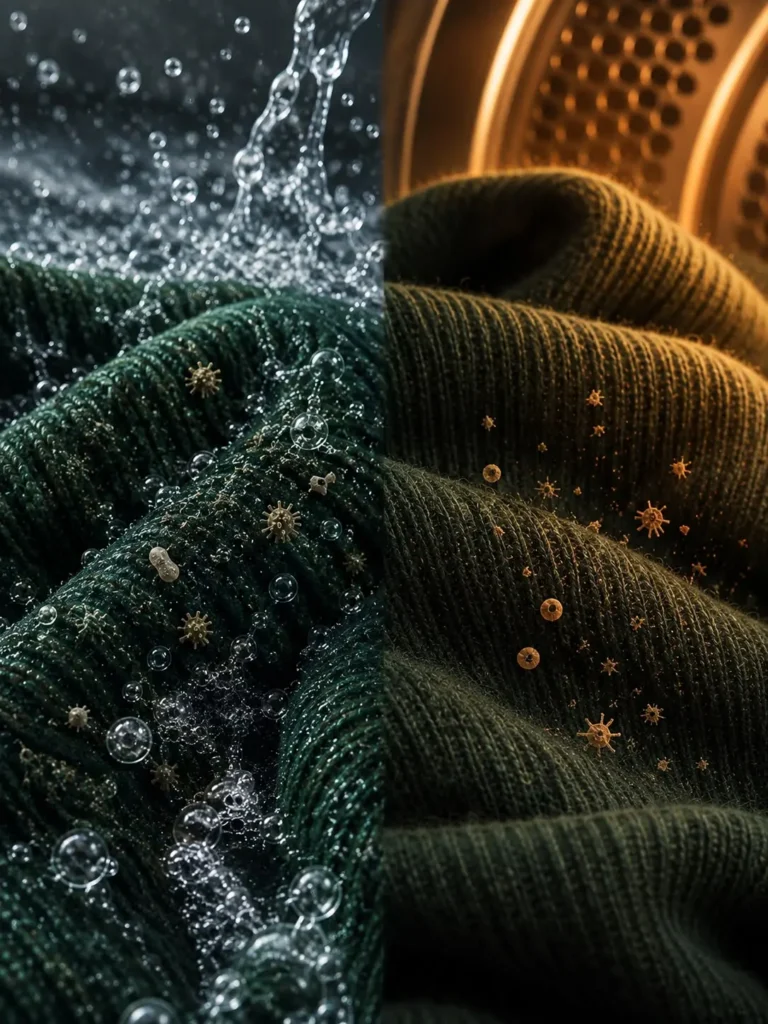
Drying is different. Sustained high heat physically breaks down the cell structure of many germs, while the tumbling action and evaporating moisture strip away the damp environment bacteria need to survive. That combination is why the drying stage is such a powerful hygiene tool.
What Temperature Actually Kills Germs?
The science is fairly consistent here:
- Most common household bacteria (like the ones behind sweat, odour, and everyday grime) start dying off above 54–60°C.
- Higher, sustained heat does a more thorough job — the hotter and longer the dry, the more germs are reduced.
- Many home dryers only reach around 57–65°C, which is enough for basic germs but sits right at the lower edge.
LaundDry’s dryers run at up to 88°C — comfortably above that threshold, which is exactly why a high-heat dry here does more than just remove moisture.
Good to know: A hot dry is especially valuable for items that pick up the most bacteria — towels, bedding, workwear, and gym gear. These benefit most from a thorough, high-heat finish.
The Honest Limit: “Hygienic” Isn’t “Sterile”
We won’t overpromise, because good hygiene advice shouldn’t. No dryer — home or commercial — is a guaranteed steriliser for every possible microorganism. Some heat-resistant bacterial spores can survive even high temperatures.
But that’s not the goal for everyday laundry. The goal is to significantly reduce the germs on your clothes, and on that measure, high-heat drying clearly works. Research and appliance testing consistently show that higher heat settings deliver meaningfully better hygiene outcomes than low-heat drying.
How to Get the Most Hygienic Dry
To make the most of a high-heat dryer:
- Wash first, then dry. The dryer finishes the hygiene job — it doesn’t replace washing.
- Choose the highest heat your fabric allows. Always check the care label first.
- Dry items fully. Lingering damp is exactly what bacteria want; a complete dry removes it.
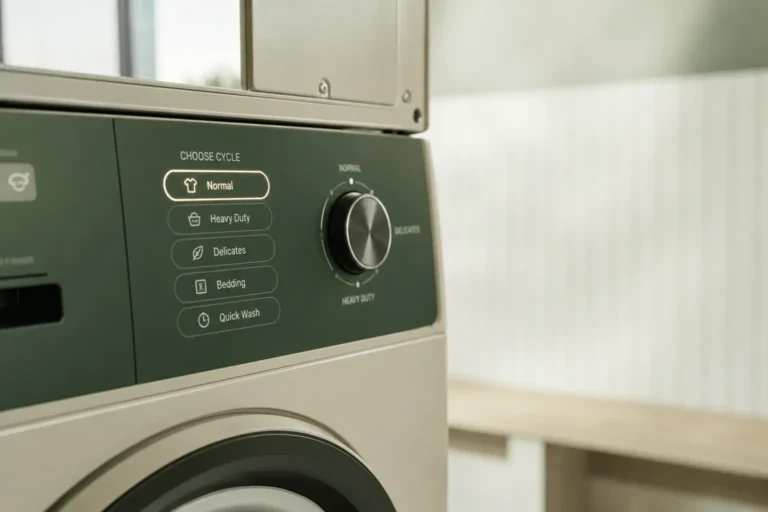
- Match the setting to the load. Sturdy items (towels, bedding, workwear) handle high heat well; delicates need a gentler setting.
The wash matters too: every LaundDry wash uses a germicidal detergent. Read what makes a laundromat wash hygienic.
The Bottom Line
High-heat drying is one of the simplest, most effective things you can do for laundry hygiene — and it happens automatically every time you use a hot dryer. At LaundDry, our dryers reach up to 88°C, well above the point where most everyday germs are reduced. It’s not about sterilising every fibre; it’s about giving your washing a thorough, high-heat finish you can feel confident about.