Extra Wash vs Extra Rinse: Which One Does Your Load Actually Need?
The short version: Extra Wash is for getting dirt out. Extra Rinse is for getting detergent out. Use Extra Wash when clothes are genuinely grimy — gym gear, workwear, anything greasy or sweaty. Use Extra Rinse when the load holds onto soap — towels, bedding, bulky items, or anything worn against sensitive skin.
They sound similar, so they get mixed up a lot. But they solve opposite problems, and picking the right one makes a real difference to how your load comes out.
What Extra Wash Actually Does
Extra Wash adds a second dose of detergent and extends the wash action. More time, more agitation, more cleaning power — which is exactly what you need when dirt is properly embedded in the fabric.
Reach for Extra Wash when your load is:
- Heavily soiled or stained
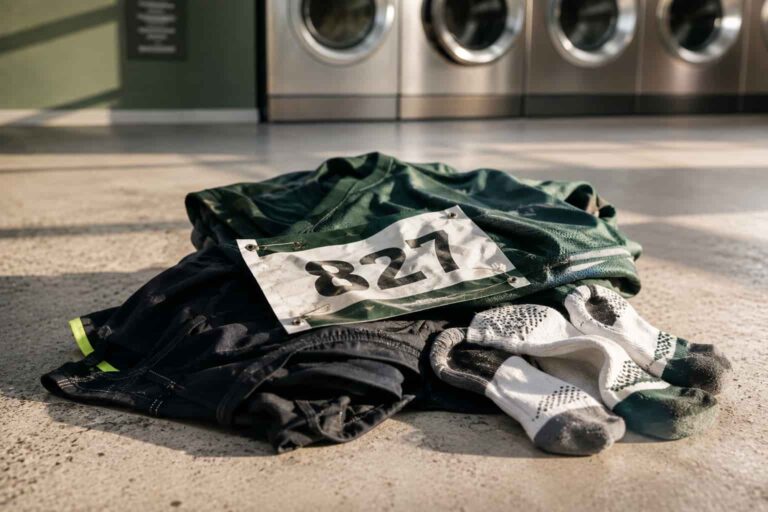
- Sweaty from the gym or a shift at work
- Exposed to grease, oil, or ground-in dirt
- Carrying odours that survive a normal wash
The key word is soil. If the problem is what’s in the fabric, Extra Wash is your setting.
What Extra Rinse Actually Does
Extra Rinse doesn’t clean anything. It adds one more cycle of clean water after the wash to flush out whatever’s left behind — leftover detergent, loosened dirt, and any residue trapped in the fibres.
Reach for Extra Rinse when you’re washing:
- Towels and bedding. Thick cotton is famously prone to detergent build-up, which is what makes towels stiff and less absorbent over time.
- Items for sensitive skin. Detergent residue is a common trigger for itchiness and irritation. Even fragrance-free formulas leave traces.
- Heavy or bulky loads. More fabric means more surface for soap to cling to.
- Anything you want to feel genuinely fresh, with no soapy stiffness or lingering scent.
The key word here is residue. If the problem is what’s left on the fabric, Extra Rinse is your setting.
Quick test: Do your dark clothes come out with faint white specks? Do your towels feel stiff or smell slightly soapy when dry? That’s detergent residue — and it’s exactly what Extra Rinse fixes.
Can You Use Both?
Yes, and for some loads it’s the ideal combination. Gym clothes, work uniforms and cloth nappies are the classic examples: they need the deeper clean from Extra Wash, and because that means more detergent working for longer, they also benefit from the extra flush at the end.
Just don’t make it your default for every load. Both settings use more water, energy and time, so save them for the loads that actually need them.
When to Skip Both
- Everyday lightly worn clothes. A standard cycle with the right amount of detergent handles these perfectly.
- Small loads. Less fabric means the standard rinse already does the job.
- Delicates like silk, lace and fine knits. The extra agitation causes more friction than these fabrics need.
The Quick Rule
| Your load is… | Use |
|---|---|
| Dirty, sweaty, greasy | Extra Wash |
| Towels, bedding, sensitive skin | Extra Rinse |
| Gym gear, workwear, nappies | Both |
| Everyday clothes, small loads, delicates | Neither |
Booking Wash Dry Fold with us? You can add Extra Wash or Extra Rinse to your order, and the price list shows what each one costs.
The Bottom Line
Extra Wash tackles what’s gone into your clothes. Extra Rinse tackles what’s left on them. Once you think of it that way, the choice takes about two seconds — and your laundry comes out noticeably better for it.